We perfectly know the bananas we find in our fridges, but do we really know this yellow fruit? Bananas are not only an excellent hit-and-run snack because of its extraordinary nutritional properties (it helps us better metabolize proteins and it’s a terrific source of vitamins and fibers), they had been part of our diet for thousands of years, and even now they are a huge part of our economy. It’s the most farmed fruit in the world (approximately 140 million tons yearly), with a stock market value of billions of dollars.

In the shadows of this popularity there is an obscure entity: human involvement. In fact not everyone knows how bananas are farmed, and even less people know that the fruit we eat now is the product of ages of genetic manipulation. In the wild, bananas aren’t as pleasing, they are smaller and with much bigger seeds that leave little space for the beloved mash. At this point we can see our hand, because we selectively bred them to make them big, juicy and… sterile. Eliminating the seeds from the equation, we had to find a new way to grow new plants: the solution was found in the graft technique, where a piece of the original plant would be cut and planted somewhere else. Thanks to this method, production rose increasingly, but the absence of intraspecific genetic variability created entire plantations compost by the same individual cloned many many times. The consequence was that the species became vulnerable to bacteria and fungus infections.

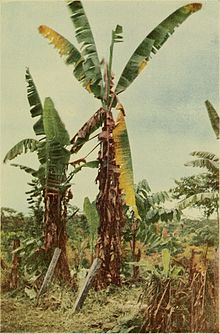
The most famous case was the Gros Michel (or Big Mike): this variety was considered the best banana in the world, but in the fifties it suddenly disappeared because of a fungus named Fusarium Oxysporum.

At this point the Cavendish became popular (the one we all now know and eat), a variety which was considered smaller and less sugary compared to the Big Mike, but luckily it was immune to the precedently mentioned fungus. Unfortunately, because of a new variant of the same fungus (the Fusarium Tropical Race 4), the future of the Cavendish is at risk, and maybe we will have to adapt to an even smaller and less sweet fruit.